
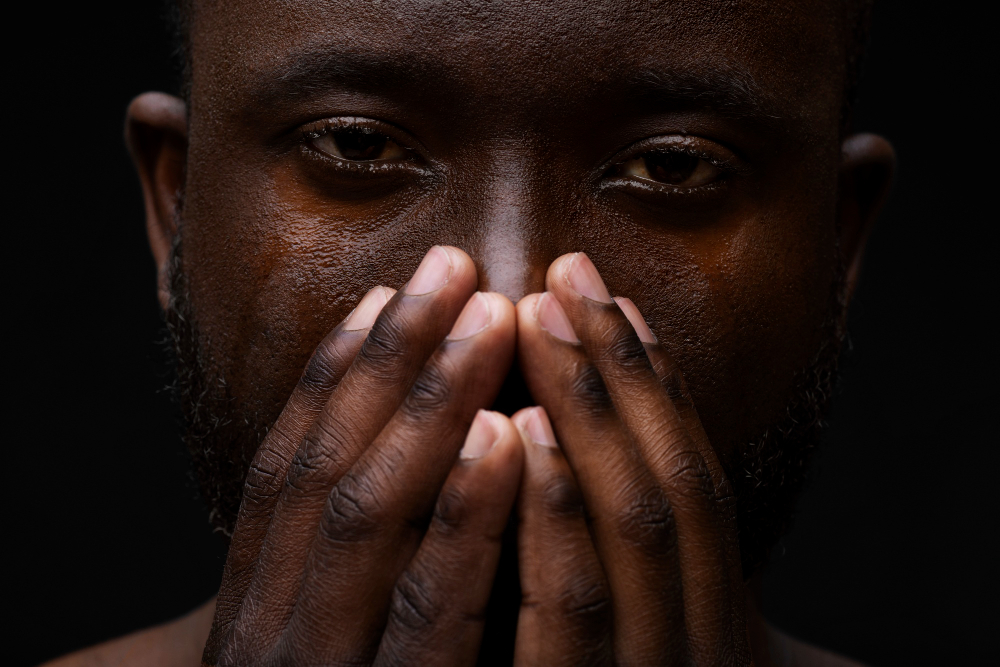
A Complete Guide to PTSD: Causes - Symptoms and How to Heal
Post-traumatic stress disorder (PTSD) is a serious mental health condition that develops after a person experiences or witnesses a traumatic event. While many associate PTSD with military combat, it affects anyone; survivors of violence, abuse, accidents, natural disasters, medical emergencies, or any experience that overwhelms the mind's ability to cope. PTSD disrupts emotional well-being, relationships, physical health, and daily functioning. Yet recovery is possible with the right support, treatment, and care.
According to the World Health Organisation (WHO), around 70% of people globally will experience a potentially traumatic event, yet only 5.6% develop PTSD (1). Understanding why PTSD occurs and how healing happens helps individuals, families, and communities respond to trauma more effectively.
What Is PTSD? The Science Behind Why Trauma Doesn't Just Go Away
Post-traumatic stress disorder is a psychiatric condition that develops following exposure to a traumatic event, one involving actual or threatened death, serious injury, sexual violence, or extreme psychological stress. It occurs when the brain and body continue to respond to danger long after the threat itself has passed.
Fear is a normal, healthy response to danger. When trauma strikes, the body's fight, flight, or freeze system activates to protect you. For most people, that response gradually settles. But for others, the nervous system stays stuck on high alert – keeping traumatic memories vivid, intrusive, and deeply distressing long after the event ends.
PTSD is defined by symptoms across four distinct clusters: intrusion, avoidance, negative alterations in cognition and mood, and alterations in arousal and reactivity (2).
- Intrusion: Flashbacks, nightmares, unwanted memories, and intense emotional reactions to trauma reminders.
- Avoidance: Steering clear of people, places, or thoughts directly connected to the traumatic event.
- Negative cognition and mood: Persistent guilt, shame, emotional numbness, and difficulty feeling positive emotions.
- Hyperarousal: Constant alertness, irritability, sleep difficulties, poor concentration, and an exaggerated startle response.
Symptoms must persist beyond one month and meaningfully interfere with daily life before a formal PTSD diagnosis is made.
PTSD by the Numbers: What the Data Actually Tells Us
The numbers behind PTSD are harder to ignore than most people realise.
According to the World Health Organisation, 70% of people worldwide will experience at least one potentially traumatic event in their lifetime, yet only 5.6% develop PTSD, and approximately 3.9% of the global population will carry a diagnosis at some point (1).
Conflict changes that picture dramatically. PTSD risk is more than three times higher among those exposed to war and violent conflict. Women face a disproportionate burden globally. Survivors of sexual violence, refugees, military personnel, and disaster-affected populations consistently show the highest prevalence rates (3).
There is also a stark treatment gap. In low-income countries, close to 90% of people with mental health conditions, including PTSD, never receive adequate care (4).
The encouraging counterweight: up to 40% of people with PTSD recover within one year when proper treatment is accessed.
What Causes PTSD? The Biology, Psychology, and Life Experiences Behind It
PTSD rarely has a single cause. It develops at the intersection of what happened to a person, how their brain processes it, and the environment around them during recovery.
Trauma is the trigger: physical assault, sexual abuse, domestic violence, war, terrorism, accidents, natural disasters, childhood neglect, medical emergencies, or witnessing serious harm to another person. Yet most people exposed to these events never develop PTSD; the experience alone does not determine the outcome.
What the brain does next matters equally. What happens inside the brain?
Neuroimaging research shows PTSD involves measurable changes to three key brain regions. The amygdala — which processes fear — becomes overactive, generating threat responses even in safe environments. The hippocampus, responsible for organising memory, becomes less effective at placing traumatic events in the past where they belong. The prefrontal cortex, which moderates emotional reactions, loses its capacity to quiet the alarm. This leads the brain to keep responding to a danger that no longer exists.
Why are some people more vulnerable to PTSD?
Before trauma, particularly childhood abuse or neglect, increases biological sensitivity to later events. Genetics matter too; inherited tendencies toward anxiety or depression raise susceptibility. When trauma happens in isolation, without social support or safe relationships, the risk rises further.
How PTSD Reshapes Daily Life
PTSD extends beyond the mind. It reorganises how a person feels, functions, and connects (5).
Emotionally, fear, shame, guilt, anger, and numbness shift from temporary states to permanent ones. Physically, the body absorbs the cost; sleep disorders, chronic fatigue, headaches, gastrointestinal problems, and elevated cardiovascular and immune disease risk are all well-documented. Socially, trust erodes. Relationships fracture. Withdrawal from work and family becomes a coping mechanism rather than a choice.
PTSD rarely occurs alone. Depression, anxiety disorders, and substance use disorders frequently co-occur, and in serious cases, suicidal thoughts emerge. This is why early, comprehensive care is urgent.
How Is PTSD Diagnosed?
Getting a PTSD diagnosis is not a checkbox exercise. It requires a qualified professional, a psychologist, psychiatrist, or clinical social worker, who takes time to understand the full picture.
Assessment covers clinical interviews, symptom questionnaires, a trauma history, and screening for co-occurring conditions. Symptoms must persist for at least one month and cause meaningful disruption at work, in relationships, or in daily functioning before diagnosis is confirmed.
PTSD Treatments That Actually Work
PTSD is treatable. For most people, the right intervention significantly reduces symptoms and restores quality of life.
Trauma-Focused CBT
Trauma-focused cognitive behavioural therapy is among the most researched treatments available. It helps people identify distorted thinking, challenge trauma-driven beliefs, and build coping strategies that reduce avoidance.
EMDR
Eye movement desensitisation and reprocessing is a first-line treatment recommended by the APA, WHO, and NICE. Backed by over 30 randomised controlled trials, EMDR pairs bilateral stimulation with trauma recall, reducing emotional intensity without requiring detailed verbal accounts.
Exposure Therapy
Gradual, supported exposure to trauma-related memories teaches the brain that reminders are no longer threats. The goal is not to relive the trauma but to neutralise its hold.
Medication
SSRIs and SNRIs help manage anxiety, depression, sleep disturbances, and hyperarousal – most effectively when paired with psychotherapy rather than prescribed alone.
Group Therapy
For many survivors, the most powerful realisation in recovery is that they are not alone. Group therapy offers validation, shared understanding, and peer strategies that individual sessions can not always replicate.
Practical Ways to Support Your Own Recovery
Recovery from PTSD is not a single breakthrough moment. It is something built, slowly, deliberately, through small decisions made day after day.
People don't heal in isolation. Reviews consistently show that higher levels of social support are linked to lower PTSD symptoms and better outcomes across every trauma type studied (6). That support doesn't need to be clinical. Family, friends, peer groups, therapists, and community organisations all contribute. What matters most is having people around who don't require you to pretend you're fine (7).
Routine is an underestimated medicine. When everything internal feels unpredictable, external structure creates a foothold. Consistent sleep, regular meals, and physical activity incorporated into the day directly regulate the nervous system that PTSD has thrown into chronic overdrive.
Movement has a well-evidenced role. Physical exercise is a scientifically validated and cost-effective intervention for PTSD, either as a standalone treatment or as an adjunct to first-line psychotherapies. Walking, swimming, yoga, resistance training, cycling: the modality matters less than consistency (8).
Mindfulness and grounding practices, deep breathing, progressive muscle relaxation, and meditation help interrupt the hyperarousal cycle. They won't undo trauma, but they give the nervous system a reliable off-ramp when it needs one.
Alcohol and substances are common coping strategies and consistently poor ones. They worsen symptoms and complicate the therapeutic work being done elsewhere.
The most overlooked part of recovery is often self-compassion. Trauma survivors carry enormous self-blame. The clinical reality is simple: PTSD responses are survival mechanisms. Recognising that distinction is a clinical prerequisite for meaningful healing. Seek professional help early; early intervention consistently produces better outcomes than waiting for symptoms to become entrenched.
The Bottom Line
PTSD is not a life sentence. Recovery doesn't mean erasing what happened; it means reducing trauma's grip on daily life and rebuilding safety, purpose, and connection. That is achievable. The evidence says so.
By: Tayyeba Idrees Butt, M. D.
Edited by: Damilola Elewa.





Comments (0)