
Why You Still Cannot Sleep: The Hidden Daily Habits That Disrupt Your Rest
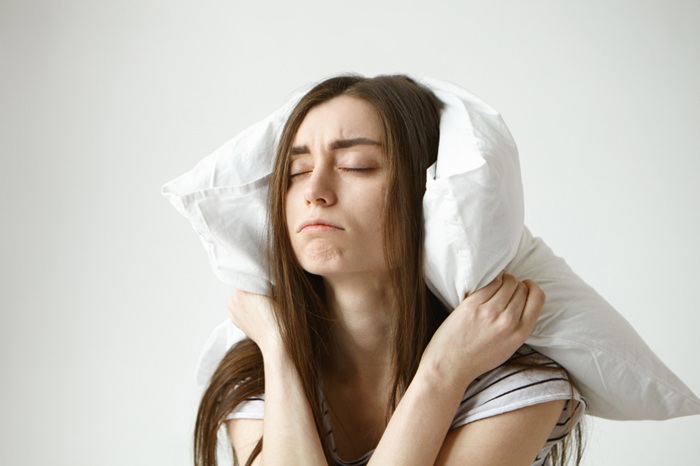
You close your laptop after a long evening of work, scroll through your phone for a bit, and finally turn off the lights. But as soon as your head hits the pillow, your mind lights up. Thoughts race, your heart feels restless, and true relaxation seems out of reach. The problem might not just be your bedtime habits but the chemistry running through your body.
From that late afternoon cup of coffee to the stress hormone cortisol, small daily choices can quietly disrupt your sleep cycle. Here’s how these factors interfere with your rest and what you can do to restore balance.
Everyday Habits Quietly Ruining Your Sleep
Caffeine and Sleep Disruption
Caffeine is one of the most common and underestimated sleep disruptors. Found in coffee, tea, chocolate, and energy drinks, caffeine works by blocking adenosine, a natural compound that builds up in the brain throughout the day (1). Adenosine creates what scientists call sleep pressure, signalling that it’s time to rest. When caffeine blocks adenosine receptors, that feeling of tiredness is delayed, making it harder to fall asleep even when your body is ready.
Another key point is caffeine’s long half-life, which averages between five and seven hours (2). This means that if you drink coffee at 3 p.m., about half of the caffeine is still active around 10 p.m. Even small amounts can affect sleep onset and quality. Many people also overlook hidden sources of caffeine, such as green tea, soft drinks, dark chocolate, and some pain relievers.
Poor timing, rather than total intake, is often the main issue. For most people, avoiding caffeine after 2 p.m. gives the body enough time to metabolise it before bedtime. Switching to herbal teas or decaffeinated options later in the day can help restore your body’s natural rhythm and promote deeper, more restful sleep.
Similar Read;
The Stress Hormone that Keeps You Alert
While caffeine influences sleep from the outside, stress interferes from within. Cortisol, often referred to as the stress hormone, plays a crucial role in energy regulation. In a healthy pattern, cortisol levels rise in the morning to help you wake up and then gradually decrease throughout the day (3).
However, when chronic stress becomes part of daily life, cortisol may remain elevated into the evening. This heightened state of alertness can make it difficult for your body
and mind to relax (4). You might find yourself lying in bed with racing thoughts or waking
up in the middle of the night, unable to drift back to sleep.
High nighttime cortisol can also reduce melatonin production, the hormone that promotes drowsiness. To reduce stress-related sleep disruption, create a relaxing evening routine that signals safety and calm. Breathing exercises, meditation, or gentle stretching can help the body transition from a state of fight-or-flight to one of rest and digestion. Avoiding emotionally charged conversations, work emails, and bright screens close to bedtime can help lower cortisol levels.
Modern Lifestyle Factors
Beyond caffeine and stress, several everyday habits common in modern life can harm your sleep quality without you even realising it. Screen exposure and blue light emitted by phones, computers, and LED lights suppress melatonin production, making it harder for the brain to recognise that it’s nighttime (5). Try reducing screen time at least one hour before bed and use night mode settings to minimise blue light exposure.
Eating large or heavy meals too close to bedtime can interfere with digestion, raise body temperature, and keep your metabolism active when it should be slowing down. Aim to finish dinner two to three hours before going to sleep, and if you need a snack, choose something light and easy to digest.
Irregular sleep schedules also affect sleep quality. Many people vary their sleep and wake times between weekdays and weekends, a pattern known as social jet lag. This inconsistency can confuse the body’s internal clock, making it harder to fall asleep at the desired time. Maintaining a steady schedule throughout the week supports your natural circadian rhythm (6).
While alcohol may help you fall asleep more quickly, it disrupts the deeper stages of sleep, particularly REM sleep, which is essential for memory and emotional health. Reducing alcohol consumption or stopping several hours before bed can significantly improve sleep quality. Simple adjustments, such as dimming lights in the evening, keeping the bedroom cool, and maintaining a consistent wake-up time, can have a great impact on overall rest.
How to Reboot Your Internal Clock
Improving sleep is not about a single fix but about restoring balance throughout your entire day. The body’s circadian rhythm, or internal clock, regulates sleep and wake cycles in response to light exposure, hormonal changes, and daily habits. Supporting this rhythm can help your body naturally produce the signals that encourage rest:
- Maintain a consistent schedule: Going to bed and waking up at the same time every day strengthens your sleep-wake rhythm.
- Create the right sleep environment: A dark, quiet, and cool room encourages the body to enter deeper stages of sleep. Avoid bright lights in the evening and try blackout curtains if necessary.
- Morning sunlight exposure: Getting natural light within the first hour of waking helps reset your internal clock and reinforces the body’s sense of daytime.
- Regular physical activity: Exercise increases adenosine levels, which promote sleepiness later in the day. Just avoid intense workouts right before bedtime.
- Balanced nutrition: Eating whole foods, staying hydrated, and avoiding excess sugar can stabilise energy levels and improve sleep consistency.
- Using health digital tools: Technology can also play a supportive role. Many people use wearable devices or sleep-tracking apps to identify patterns such as frequent awakenings or irregular bedtimes. While not perfect, this data can guide you toward habits that encourage better rest.
- Building a sleep-protective lifestyle: Restful sleep is more than a nightly event. It reflects the overall balance between your mind, hormones, and lifestyle choices. When you view sleep as an essential part of your well-being, your habits start to align with what your body needs.
- Prioritise consistency: Protect your evenings from unnecessary stimulation. Permit yourself to unwind without guilt. Over time, your body learns to associate certain cues with rest and others with alertness. Managing stress during the day also plays a major role in how easily you fall asleep at night.
Ultimately, good sleep is a reflection of overall balance. When your choices align with your natural rhythms, your body rewards you with energy, focus, and emotional stability. Sleep well, and every part of your life begins to function more smoothly.
Conclusion
Sleep is not just something that happens when the lights go out. It’s built moment by moment through your daily habits and body chemistry. By understanding how caffeine, cortisol, and modern routines influence rest, you can create an environment that allows true recovery.
By: Ninna Agura
Edited by: Damilola Elewa





Comments (0)