
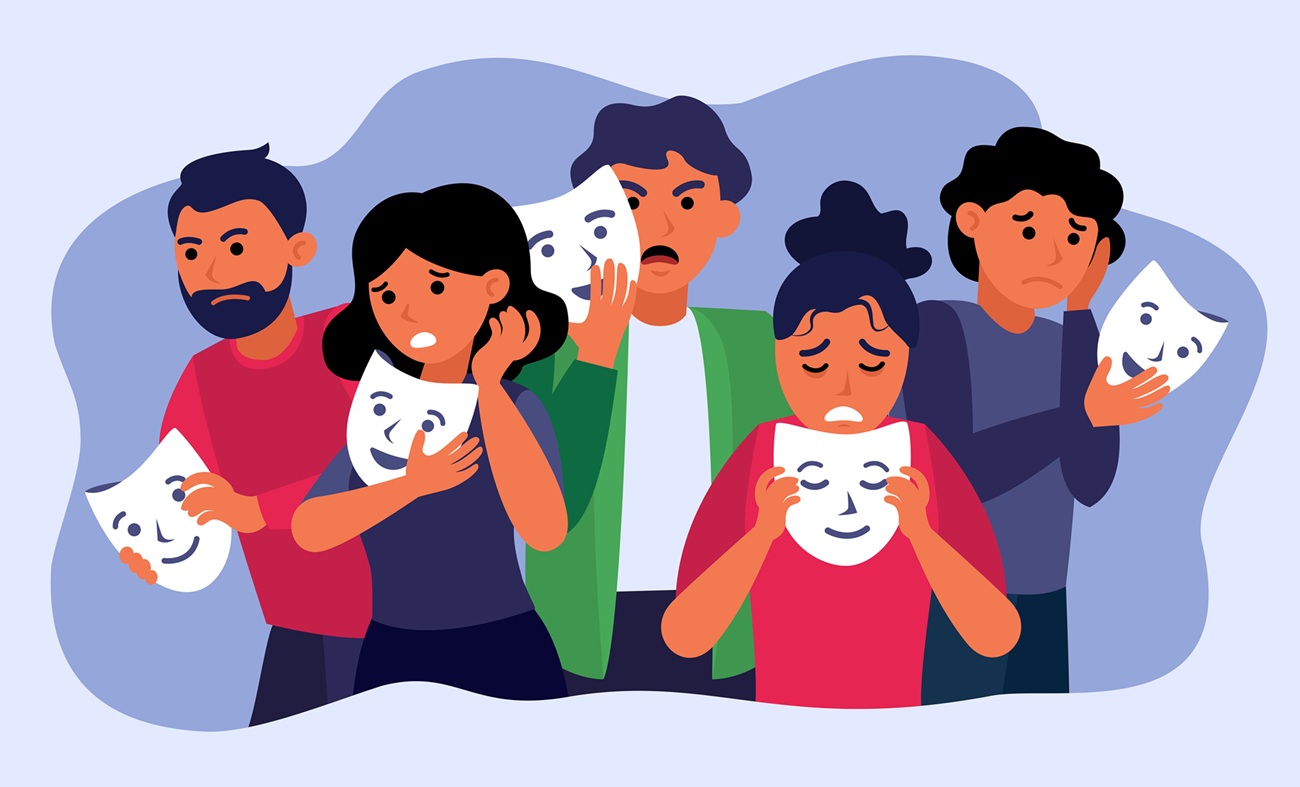
Bipolar Personalities and Their Impact on Partners
Mental health issues are often challenging—not only for those who live with them but also for the people who love and support them. One such condition that significantly affects relationships is bipolar disorder. Characterised by dramatic shifts in mood, energy, and behaviour, bipolar disorder can have an impact on a romantic relationship. Partners often face confusion, emotional upheaval, and the difficult task of balancing compassion with self-care.
Understanding bipolar personalities isn’t only about recognising symptoms; it’s about navigating emotional storms with empathy and strength.
What Is Bipolar Disorder?
Bipolar disorder is a mood disorder characterised by alternating periods of mania (or hypomania) and depression. These cycles can vary in intensity and duration depending on the type:
- Bipolar I Disorder: Manic episodes lasting at least 7 days or requiring hospitalisation, often followed by depressive episodes.
- Bipolar II Disorder: A pattern of depressive episodes and hypomanic episodes, less severe than full mania.
- Cyclothymia: Chronic fluctuations between milder hypomania and depressive symptoms.
These shifts are not just mood swings; they are biological and chemical imbalances in the brain that require treatment (1).
How Bipolar Personalities Affect Romantic Partners
Emotional Instability and Confusion
Partners of individuals with bipolar disorder often feel like they’re on an emotional rollercoaster. For instance, during manic phases, the person may become highly energetic, overly confident, impulsive, or even reckless—leading to excessive spending, risky behaviour, or infidelity.
Communication Breakdown
Effective communication becomes difficult when moods swing unpredictably. A person in a depressive phase may withdraw or express hopelessness, while in a manic phase, they may dominate conversations or dismiss concerns. This can lead partners to feel ignored, unheard, or emotionally drained (2).
Codependency and Caregiver Fatigue
Often, partners slip into a caregiving role, such as managing appointments, medications, and emotional support. While this may stem from love, it can cause codependency, where one partner sacrifices their own needs.
According to a report by the National Alliance on Mental Illness (NAMI), over 60% of caregivers of individuals with serious mental illness report high levels of emotional stress.
Trust and Stability Issues
Trust can be shaken due to unpredictable behaviour, especially if the person has untreated bipolar disorder. Partners may struggle with:
- Trusting promises or plans.
- Managing finances responsibly.
- Dealing with emotional outbursts or irrational decisions (3).
Fear of Triggering Episodes
Partners may walk on eggshells, constantly worried their actions or words might trigger a depressive or manic episode. This fear inhibits emotional honesty, intimacy, and normal conflict resolution.
What are the Coping Strategies for Partners with Bipolar Disorder?
Self-Educate
Understanding bipolar disorder reduces frustration and personalises your partner’s behaviour. Attend support groups or read materials from credible sources like the National Institute of Mental Health (NIMH).
Encourage Treatment
Support your partner in maintaining a treatment plan, including: medication compliance, therapy (especially Cognitive Behavioural Therapy or CBT), and mood tracking (4).
Set Healthy Boundaries
It’s okay to say no when you feel overwhelmed. Clear boundaries maintain the relationship and protect your mental health. For example, you can say, “I love you, but I can’t skip work every time you feel low. Let’s plan for future tough days.”
Prioritise Your Mental Health
Partners often neglect their own well-being. Self-care is not selfish—it’s essential. Some ways to prioritise your mental health are by practising mindfulness, seeking individual therapy, and building your support network.
A study from the Journal of Affective Disorders found that spouses of individuals with bipolar disorder were more likely to experience depression and anxiety themselves (5).
Celebrate Stability and Progress
Acknowledging small wins, such as a month of stable mood, attending therapy, or maintaining good communication, builds trust and mutual appreciation (6).
When can an Individual seek help?
While love and commitment are powerful, it is necessary to seek professional intervention. Seek help if:
- There’s emotional, verbal, or physical abuse.
- The disorder leads to dangerous behaviours (substance abuse, suicidal thoughts) (7).
- You feel constantly unsafe or unwell.
Final Thoughts
Loving someone with bipolar disorder is both beautiful and challenging. The emotional highs and lows can stretch a relationship to its limits, but with understanding, treatment, and communication, couples can build deeply fulfilling lives together.
The key is to stay informed, seek support, and nurture the well-being of both partners. Bipolar disorder doesn’t have to define the relationship—it can become part of a shared journey of growth, resilience, and deeper connection.
Edited by: Damilola Elewa.
Additional Read;





Comments (0)