
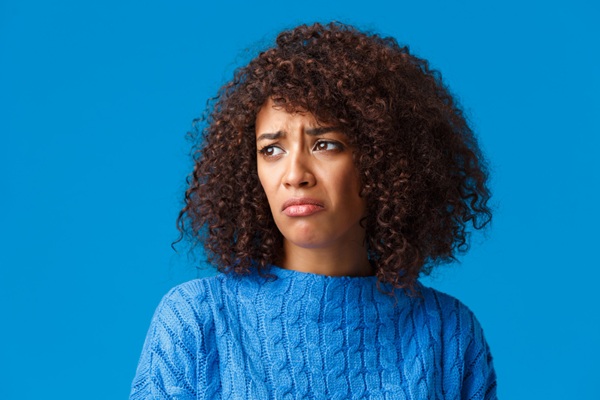
How Women Emotions Influence Mental Health
Our thoughts and emotions are deeply connected, constantly influencing how we feel, act, and see the world around us. For women, this connection is complex, shaped by a unique mix of biological, psychological, and social factors. Understanding how emotions affect mental health goes beyond recognising feelings; it means exploring the deeper patterns that shape everyday life, relationships, and overall well-being (1).
How Biology Shapes Women’s Emotions and Mental Well-Being
Hormonal changes play a major role in shaping women’s emotional and mental well-being. From puberty through menopause, the body undergoes natural cycles that can strongly influence mood and emotional responses. Estrogen and progesterone affect brain chemicals like serotonin and dopamine, which help regulate happiness, motivation, and calmness. When these hormone levels shift, women may experience changes in mood or sensitivity—especially during menstruation, pregnancy, or after childbirth. These fluctuations can range from mild irritability to more serious conditions such as premenstrual dysphoric disorder (PMDD) or postpartum depression, highlighting how closely hormones and emotional health are connected (2).
Psychological and Emotional Awareness
Women tend to have a naturally higher level of emotional awareness, meaning they’re often more attuned to their feelings and better able to express or reflect on them. This emotional intelligence can be a powerful strength, helping to build empathy, trust, and deeper relationships. However, when emotions are not processed in healthy ways, this sensitivity can also lead to internalised stress, anxiety, or emotional exhaustion.
A woman’s mental state—her overall psychological and cognitive condition—shapes how she perceives and responds to emotions. For instance, prolonged or chronic stress can make everyday challenges feel heavier, triggering more frequent feelings of irritability, sadness, or worry. This connection works both ways: emotions influence mental state, and mental state affects how emotions are experienced and expressed (3).
Social and Cultural Influences
Society shapes how women understand, manage, and express their emotions. From childhood, many girls are encouraged to be caring, empathetic, and emotionally open—qualities that strengthen relationships and social bonds. Yet, this same conditioning can sometimes cause women to put others’ needs before their own, suppress difficult emotions, or carry emotional weight that quietly affects their mental well-being.
Modern social expectations also add pressure. The belief that women should “do it all”, balancing career success, family life, and personal fulfilment, can create chronic stress, guilt, or burnout. When external demands conflict with internal desires or self-care needs, it can lead to emotional exhaustion, anxiety, or even depression (4).
Common Mental Health Conditions and Their Emotional Impact
Certain mental health conditions are more common in women, often carrying deep emotional effects that influence daily life and relationships. These include:
- Depression: Women are nearly twice as likely as men to experience depression. It’s marked by persistent sadness, emotional emptiness, and a loss of interest in activities that once felt meaningful.
- Anxiety Disorders: These may appear as constant worry, fear, or panic, often making it difficult to focus or manage everyday tasks.
- Eating Disorders: Closely linked to body image and emotional regulation, these conditions reveal the complex connection between self-perception, mental health, and coping behaviours.
- Postpartum Disorders: Conditions like postpartum depression and anxiety show how hormonal shifts and emotional strain after childbirth can deeply affect a woman’s well-being.
Each of these conditions reflects a disruption in the balance between emotional processing and mental stability, underscoring the importance of compassionate, gender-informed mental health care that supports women’s unique emotional needs (5).
Building Emotional Resilience: Strengthening the Mind-Emotion Connection in Women
Despite life’s many challenges, women show remarkable strength and adaptability. Emotional resilience—the ability to manage stress, recover from setbacks, and maintain emotional balance—is not a fixed trait. It’s a skill that can be developed and strengthened with consistent care and self-awareness. Here are a few effective ways to support a healthy mental-emotional connection:
- Mindfulness and Meditation: Regular mindfulness or breathing exercises help calm the mind, reduce anxiety, and increase emotional awareness
- Therapy and Counselling: Talking with a mental health professional offers valuable coping tools, perspective, and emotional support.
- Healthy Lifestyle: Balanced nutrition, physical activity, and quality sleep all contribute to emotional regulation and mental clarity.
- Support Networks: Staying connected with trusted friends, family, or support groups provides a sense of belonging and emotional validation.
- Creative Expression: Outlets like writing, art, or music enable emotions to be expressed in constructive and healing ways (6).
Final Thoughts
The connection between a woman’s mental state and emotions is both delicate and deeply powerful. It’s shaped by biology, enriched by psychological insight, and influenced by the social world she moves through every day. When women understand and honour this mind–emotion connection, they become better equipped to handle life’s challenges with strength, grace, and self-compassion.
Edited by: Damilola Elewa.
Additional Read;
- The Impact of Hormones on Women’s Mental Health
- Gender Inequality in Medication Dosing and Side Effects
- How to Attract the Life You Desire



Comments (0)