
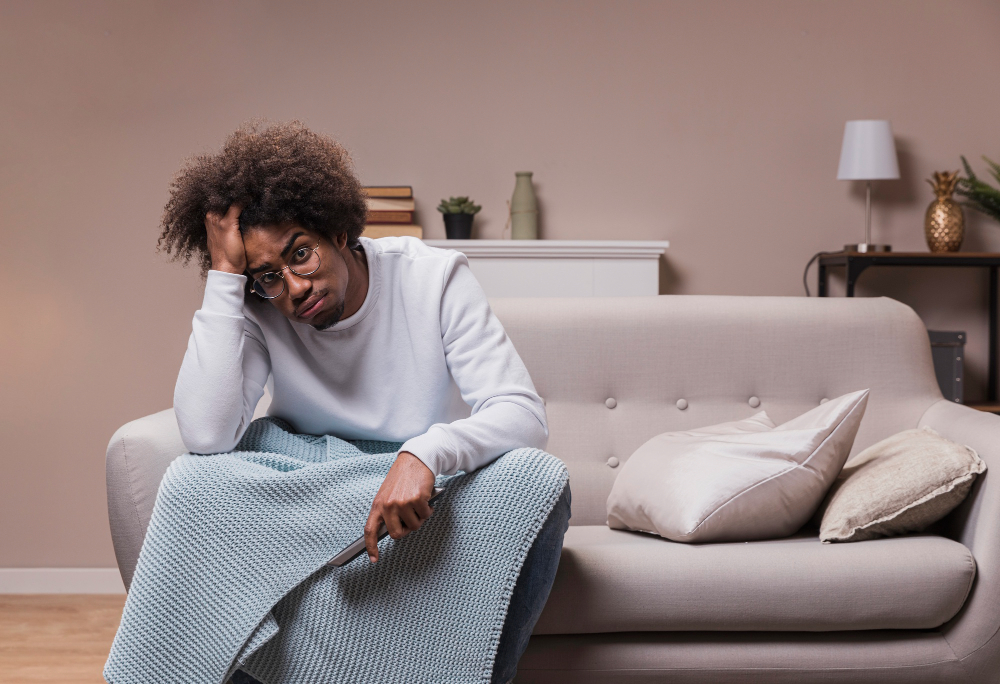
Healing from PTSD: A Guide for Survivors and the People Who Love Them
Trauma doesn't end when the danger does. For someone living with PTSD, the mind keeps replaying what the body has already survived, and healing rarely follows a straight line. But recovery is not something faced alone, even when it feels that way. It also reaches the people around, like a partner unsure of what to say, a parent watching their child flinch at something invisible, a friend who wants to help but worries about getting it wrong. This guide speaks to both sides of that experience: the person healing and the people choosing to stay.
Causes and Risk Factors
PTSD can develop after all kinds of traumatic experiences, including (1):
- Physical assault
- Sexual violence
- Childhood abuse
- Military combat
- Natural disasters
- Terrorist attacks
- Serious accidents
- Medical emergencies.
But trauma doesn't tell the whole story. Two people can live through the same event, and only one of them develops PTSD. Why? A few things tend to make someone more vulnerable than others.
Biology
Genetics, brain chemistry, and how the body responds to stress hormones all shape who develops PTSD and who doesn't. Some nervous systems are simply quicker to sound the alarm and slower to switch it back off (2).
Mental health history
If someone has already been dealing with anxiety or depression, trauma tends to hit harder and linger longer. The mind is already carrying weight before the new injury arrives.
Support after the trauma
This one matters more than people realise. Going through something painful without anyone to lean on raises the risk. The WHO points out that real support from family and friends can sometimes lower the chances of PTSD taking hold; having someone who simply listens is part of what helps the brain feel safe again (2).
Gender
Women are more likely to develop PTSD than men. According to NIMH data, 5.2% of women experience PTSD in a given year, compared to 1.8% of men, a gap researchers link to differences in trauma type, hormonal response, and social factors (3).
How PTSD Affects the Whole Person
PTSD rarely stays contained to one part of life. It tends to spill into everything it touches: mood, relationships, sleep, even the body itself.
Mental health
It's common to see PTSD alongside:
- Depression
- Anxiety disorders
- Substance use
- Suicidal thoughts.
The WHO confirms this overlap is typical; PTSD often goes along with depression, anxiety, and substance misuse, each one feeding into the others (2).
Physical health
Living in a constant state of stress doesn't stay in the mind. The body absorbs it too, often showing up as:
- Heart problems
- Chronic pain
- Digestive issues
- A weaker immune system.
In many ways, the body keeps the score long after the mind has tried to move on, which is exactly why healing PTSD is never just a mental health conversation. It's a whole-person conversation.
Occupational Functioning
PTSD doesn't stay contained to feelings. It follows people into their work too. Concentration slips. Decisions that once felt automatic suddenly take real effort. NIMH data shows that roughly 3.6% of adults with PTSD experience serious impairment in daily functioning (3), meaning more than a third are quietly struggling to hold their job and routine together while carrying something most coworkers never see.
Healing from PTSD as Individuals
Recovery is possible, but not always quick. With the right treatment and the right people around, most people with PTSD go on to experience genuine symptom relief and a better quality of life.
Seeking Professional Help
Of all the options that help, professional treatment remains the most effective starting point:
- Cognitive behavioural therapy (CBT) helps someone identify the thought patterns that have taken hold, challenge beliefs that feel true but aren't, and build coping strategies that hold up under real pressure.
- Trauma-focused CBT goes a step further, working directly with traumatic memories inside a space built for safety.
- EMDR (Eye movement desensitisation and reprocessing) uses guided eye movements to help the brain reprocess traumatic memories so they stop replaying on a loop. Multiple clinical studies support its effectiveness.
- Medication, typically SSRIs, can ease the intensity of symptoms while someone does the deeper work of therapy.
Building a Support Network
Research consistently shows people heal more fully when they aren't doing it alone. That support can come from family, friends, support groups, faith communities, or mental health organisations.
Practising Self-Care
Healing isn't only mental work. The body needs attention too.
- Movement lowers stress hormones, lifts mood, and improves sleep quality.
- Sleep improves with consistent bed and wake times, less caffeine later in the day, and a calming wind-down routine.
- Nutrition shapes how resilient the body and mind can be.
- Mindfulness, through meditation, deep breathing, yoga, or progressive muscle relaxation, gives the nervous system room to step down from constant alert.
Learning Emotional Regulation
PTSD often brings emotions that feel too large to hold. Learning to regulate them, rather than suppress them, makes a measurable difference. Useful tools include journaling, grounding exercises, mindfulness practice, and emotional awareness training.
Developing Self-Compassion
Many trauma survivors carry blame for things that were never their fault. Self-compassion means acknowledging pain without judging it, treating yourself with the same care you'd offer someone else, and accepting that healing has its own timeline. Setbacks aren't failure — they're part of the process.
Supporting Those Around Us with PTSD
Recovery rarely happens in isolation. The people around us, partners, parents, friends, coworkers, and caregivers, often become part of the healing.
Educate Yourself About PTSD
Understanding reduces stigma. People with PTSD aren't weak, unpredictable, or difficult on purpose. Their reactions are survival responses that haven't yet caught up to the fact that the danger has passed. Understanding this shift naturally builds compassion.
Listen Without Judgment
Often, the most powerful thing you can offer isn't advice; it's attention.
What helps: "I'm here for you." "Thank you for telling me." "That sounds incredibly difficult."
What to avoid: "Just move on." "That was a long time ago." "Others have it worse." Even when well-intended, these phrases tend to be dismissive.
Encourage Professional Treatment
Support can mean helping someone find the right therapist, offering a ride to appointments, or helping with scheduling. What matters just as much is restraint, not pressure. Treatment sticks when it feels like the person's own decision.
Be Patient
Healing rarely moves in a straight line. Stress, anniversaries, or unexpected reminders can bring symptoms back without warning. Patience signals that someone doesn't have to perform wellness, and that reduces the shame that often follows a setback.
Respect Boundaries and Triggers
Triggers, loud noises, certain smells, specific places, and anniversaries are the body flagging danger that's no longer there. Respecting them isn't the same as enabling permanent avoidance; it means understanding why they exist and working through them together, not around them.
Offer Practical Assistance
PTSD can turn ordinary tasks into real obstacles. Support often looks like helping with childcare, pitching in at home, attending appointments together, or helping sort through what feels too heavy to face alone. Small, consistent actions tend to matter more than grand gestures.
Take Care of Yourself
Supporting someone through PTSD takes something out of you, too. Caregivers need their own boundaries, their own support, and their own rest. A supporter running on empty can't show up fully for anyone, including themselves.
Conclusion
PTSD is complex, but it is treatable. Most people will face some form of trauma in their lives, yet only a fraction go on to develop PTSD. When left unaddressed, it can quietly reshape relationships, work, health, and sense of self.
Healing asks for courage to seek help, to sit with difficult emotions, and to extend yourself the same compassion you'd offer anyone else. It also asks something of the people around you. If you recognise any of this in yourself or someone you love, the next right step is usually the smallest one: one conversation and one appointment.
By: Tayyeba Idrees Butt, M. D.
Edited by: Damilola Elewa.




Comments (0)