
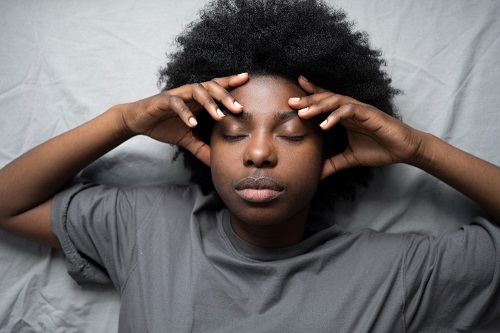
The Mental State Connection with Emotions in Women
In human psychology, emotions and mental states are tightly intertwined, often shaping how we think, feel, and behave. For women, the connection between emotional well-being and mental health is particularly nuanced, influenced by a unique mix of biological, psychological, and social factors. Understanding this connection isn't just about recognising feelings; it's about embracing the deeper dynamics that affect everyday life, relationships, and personal growth (1).
How do Hormones Impact Emotions?
Hormonal fluctuations have a significant impact on the emotional experiences of women. From puberty to menopause, the female body undergoes cycles of hormonal change that can deeply influence mood and emotional reactivity. Estrogen and progesterone, for example, affect neurotransmitters in the brain such as serotonin and dopamine—chemicals responsible for feelings of happiness and emotional regulation.
These hormonal shifts can sometimes result in heightened emotional sensitivity or mood swings, particularly during the menstrual cycle, pregnancy, or postpartum period. It’s not uncommon for women to experience changes in their mental state during these times, ranging from mild irritability to more serious conditions like postpartum depression or premenstrual dysphoric disorder (PMDD) (2).
Similar Read;
Psychological and Emotional Awareness
Women often exhibit a higher degree of emotional awareness than men, meaning they are more likely to identify, express, and reflect on their feelings. This emotional intelligence can be a powerful asset, fostering deep connections and empathy in relationships. However, it can also lead to internalised stress or anxiety if emotions aren’t processed healthily.
The mental state of a woman—her current psychological and cognitive condition—can significantly influence how she interprets and responds to emotional experiences. For example, a woman under chronic stress may find herself more prone to anxiety, sadness, or irritability, even in situations that might normally be manageable. The link is bidirectional: emotions can affect mental state, and mental state can, in turn, influence emotional responses (3).
How Society and Culture Influence Expression
Society plays a pivotal role in shaping how women experience and express their emotions. From a young age, girls are often socialised to be nurturing, empathetic, and emotionally expressive. While these traits are valuable, they can sometimes lead women to prioritise others’ needs over their own, suppress negative emotions, or carry emotional burdens that affect their mental health.
Furthermore, societal pressures—such as the expectation to have it all (career, family, social life)—can contribute to feelings of overwhelm, inadequacy, or burnout. When these external demands clash with internal expectations, the result can be emotional exhaustion, anxiety, or depression (4).
4 Common Mental Health Conditions and Their Emotional Impact
Several mental health conditions are more prevalent in women, and they often come with strong emotional components. These include:
- Depression: Women are nearly twice as likely as men to experience depression. This condition is characterised by persistent sadness, loss of interest, and emotional numbness.
- Anxiety disorders: These can manifest as constant worry, fear, or panic, and often affect a woman’s ability to manage everyday tasks.
- Eating disorders: Linked to body image and emotional regulation, these conditions reflect the complex interplay of mental state and emotional coping strategies.
- Postpartum disorders: Conditions such as postpartum depression or anxiety show how biological and psychological changes can impact emotional well-being after childbirth.
Each of these conditions reflects a disruption in the normal relationship between emotional processing and mental stability. These confirm the need for compassionate, gender-sensitive approaches to mental health care (5).
How to Build Emotional Resilience
Despite the challenges, women are incredibly resilient. Emotional resilience, the ability to adapt to stress, recover from adversity, and maintain emotional balance, is something that can be nurtured and strengthened over time.
Here are a few strategies that can help strengthen the mental-emotional connection in positive ways:
- Mindfulness and meditation: These practices can help ground emotions, reduce anxiety, and increase self-awareness.
- Therapy and counselling: Speaking with a mental health professional can provide insights and coping tools.
- Healthy lifestyle habits: Exercise, balanced nutrition, and quality sleep support better emotional regulation and mental clarity.
- Support networks: Connecting with friends, family, or support groups fosters a sense of belonging and emotional validation.
- Creative expression: Writing, art, music, or dance can help externalise complex emotions in healthy, constructive ways (6).
Final Thoughts
The connection between mental state and emotions in women is delicate, yet powerful. It is shaped by biology, enriched by psychology, and influenced by the world around us. When women understand and honour this connection, they are better equipped to navigate life’s ups and downs with strength, grace, and self-compassion. As society becomes more aware of the unique mental-emotional state of women, we can move toward a more empathetic, supportive, and emotionally intelligent world.
Author: Tayyeba Idrees Butt, M.D.
Edited by: Damilola Elewa
Additional Read;


Comments (0)